

Constant updates are made to our site so check back often! You can use the Contact page to get in touch if you want to know something specific!
Predicting sports outcomes isn’t all crystal balls and lucky socks-probability is the secret sauce that keeps things spicy and, well, slightly less unpredictable. Throughout this article, we’ll unpack how probability theory gives you a fighting chance at seeing through the fog of uncertainty. If you’ve ever pondered the mysterious forces behind Betting Winnings, buckle up for a mathematical ride (don’t worry, no pop quizzes at the end).
Every time you watch a last-minute goal or a jaw-dropping upset, you’re witnessing probability in action. Sports forecasts lean heavily on understanding outcomes-the actual results of matches or events-filtered through the lens of probability. This isn’t about reading tea leaves; it’s about analyzing stats, player form and streaks to paint a statistical picture of what could happen.
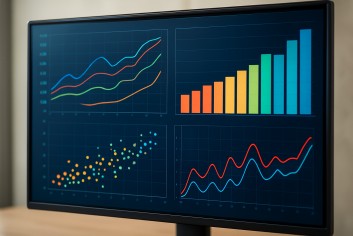
No result is guaranteed-unless you’ve just bet on the sun rising tomorrow. Probability models help us embrace uncertainty by showing how often a particular outcome should occur if we could replay history a few thousand times. Every winning streak and shocking upset has numbers whispering in the background, keeping it honest.
Trend analysis in sports predictions is a bit like checking your rearview mirror before switching lanes-useful, but don’t stare too long. Digging into patterns from past seasons or games reveals useful clues, but beware: even the most solid trend can hit a pothole.
Teams and athletes are creatures of habit-some streak like comets, others fizzle out faster than your New Year’s resolutions. By sifting through previous results, you can identify hot runs, cold snaps and those rare magical moments when everything clicks (or combusts).
Relying too much on past results can lead you astray-just ask anyone who’s picked a “sure thing” that flopped spectacularly. Trends should inform your view, but probability theory helps you weigh how much to trust what you see.
Risk is the ever-present shadow in every sports forecast. If you only back favorites, your wins might be frequent but tiny-if you chase long shots, your pulse (and wallet) could take a wild ride. Probability models act as your financial seatbelt, helping you balance risk and reward.
Variance is the statistical way of saying “brace for weirdness.” Even with solid data and razor-sharp analysis, random events will swing results in unpredictable directions-sometimes defying even the savviest forecast. Remember, nobody bats a thousand in prediction.
Enjoying sports predictions responsibly means more than knowing your stats-it’s about recognizing when the game is more fun than the result. Set limits, keep a sense of humor about bad beats and never wager more than you can afford to laugh off.
These days, predictive tools and statistics are easier to access than ever, but they’re no replacement for good judgment. Whether you’re using complex models or just trusting your gut, a little restraint goes a long way. Don’t let the thrill cloud your critical thinking.
Winnings and probability are often discussed hand-in-hand in prediction circles. The chances you calculate (or guess) for an event directly affect any possible returns-no matter how optimistic your hot streak feels. Every prediction involves a trade-off: a high-probability pick typically pays less, while a riskier, low-probability pick can lead to higher returns (with a side of heartburn). The mathematics never promises, but it always keeps you honest.
Balancing potential payouts with probability requires a dash of realism and a sprinkle of patience. Chasing big numbers is exciting, but long-term satisfaction usually comes from measured, sensible choices rather than fireworks (unless you’re a fan of suspense).
Strategies come in all shapes and sizes: some focus on small, frequent successes; others aim for that rare, thunderous win. At the end of the day, a good approach respects probability, keeps risk in check and remembers that fortune favors the mathematically literate (most of the time).