
Constant updates are made to our site so check back often! You can use the Contact page to get in touch if you want to know something specific!
If you’ve ever eyed a sleek young horse in an auction ring and wondered if its price tag is written in gold or just wishful thinking, you’re not alone. Yearling sales prices have a knack for capturing dreams and occasionally emptying wallets. Behind every hammer fall, there’s a mix of performance data, pedigrees and good old-fashioned optimism. But what really moves those prices-let’s trot through the details, one hoof at a time.
Horse sales aren’t exactly like your neighborhood garage sale-nobody is haggling over a rusty bicycle. In the world of yearlings, buyers come armed with deep pockets, sharper pencils and a taste for risk. Several ingredients mix to whip up the final price for these four-legged prospects and it’s not just about who’s wearing the shiniest shoes.
If your distant cousin is a racing superstar, chances are your invitation to the “expensive yearlings” club is already in the mail. Bloodlines with multiple graded stakes winners are catnip for buyers and stud fees often hint at future performance (or at least good intentions). But a fancy family tree can only do so much-nature, nurture and the horse’s own quirks have the final say.
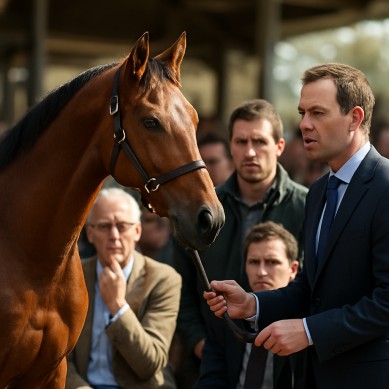
A racehorse’s performance isn’t just measured in seconds and furlongs; it echoes through the sales ring, changing expectations and price tags. When a well-bred horse outperforms on the track, it shines a spotlight on the relatives standing in the wings, ready for their own moment at auction. Yet, results can be fickle-one superstar doesn’t guarantee a stable full of champions.
Sometimes, all it takes is one big result to transform a family’s reputation-and the value of the next crop of yearlings. Market watchers pay close attention to odds and outcomes, knowing that today’s hero can spark tomorrow’s bidding frenzy. If the stars align, a yearling’s price can skyrocket, even if they’ve never seen a starting gate themselves.
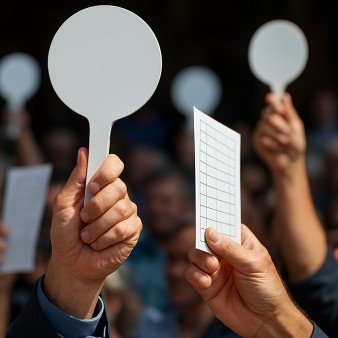
Even in the best-researched auctions, buyers occasionally toss out logic for a hunch or a last-minute whim. Some call it instinct, others call it auction fever (which, unlike horse fever, isn’t covered by insurance). Watching these unpredictable moments play out is half the fun-at least until the next paddle flies up and the price soars.
Finding the “hidden gem” is every buyer’s fantasy. The shrewd ones look past flashy catalogs and glossy photos, focusing instead on balance, movement and attitude. Sometimes, the biggest bargains aren’t the best-bred, but those overlooked for superficial reasons. But, let’s be real: not every overlooked yearling turns into a champion. Some just eat more hay.
The USA may be famous for its “everything’s bigger” attitude, but when it comes to yearling sales, each country dances to its own tune. Economic shifts, racing rules and breeding programs all influence how much folks are willing to spend-and what they expect in return. Comparing markets can be a great conversation starter at the track, especially if you enjoy heated debates over coffee.
While one country might see soaring prices after a series of impressive performances, another could be bargain central. The differences often reflect local preferences for distance, surface and even fashion sense (you’d be surprised how many buyers pick hats to match the yearlings they bid on). Whatever the location, the right result at the right time can tip the scales-sometimes with more drama than a photo finish.
It’s tempting to see yearling auctions as a shortcut to fortune or fame, but the truth is a tad less glamorous. Most horses never earn back their auction price-unless carrots count as currency. Setting realistic goals and budgets is key to enjoying the sales season without turning it into a stress test. Remember: for every champion, there are a hundred “what could have been” stories that keep the auctioneers entertained.