

Constant updates are made to our site so check back often! You can use the Contact page to get in touch if you want to know something specific!
Sports punters might think they’ve seen it all, from bizarre halftime mascots to odds that move faster than a caffeinated squirrel. But nothing has shifted the playing field quite like the arrival of Dynamic Odds Adjustment Systems. Let’s pull back the velvet curtain and peer into the cogs and springs powering the ever-changing world of sports odds-where technology, math and just a pinch of luck mix it up.
Whether you’re glancing at pre-game numbers or eyeing those in-play shifts, odds are never static. Probability calculations are at the core, but dynamic systems now ensure that what you see is always a moving target. Think of it like weather forecasting: those who know how to read the clouds (and the odds) might just avoid a downpour. These systems rapidly recalculate to reflect new information, injuries or even a surprising goal right before halftime.
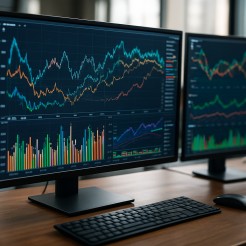
One missed shot or sudden substitution and the system recalibrates faster than you can say “extra time.” Algorithms chew through piles of data, updating the probability to mirror real-world shifts. The result? Punters must stay sharp, lest they blink and miss a fleeting value opportunity.
Those brief windows where an algorithm lags behind reality? Some say that’s where the magic lives, though it’s a bit like chasing leprechauns-fun, unpredictable and most likely to end up with you scratching your head.
Metrics such as implied probability and expected value help quantify where a system stands at any moment. Understanding these allows a better grip on why numbers shift, which can turn confusion into cautious optimism. Just don’t bet the house on optimism-sometimes it rains indoors.
No need to dust off your high school algebra, but a working grasp of how Dynamic Odds Adjustment Systems operate can help. These systems aren’t powered by wizardry, but by clever algorithms balancing a teetering act of supply, demand and cold, hard math.
As bets flood in, the system nimbly updates numbers, much like a tightrope walker keeping their balance. Too much action on one side and the odds move, aiming to restore equilibrium. It’s less “who will win” and more “who’s backing whom and by how much?”
Not every number cruncher is infallible. Dynamic Odds Adjustment Systems are built to be robust but are still subject to gaps in data, occasional overreactions or the limitations of even the smartest algorithm. Responsible gambling means knowing when the numbers aren’t in your favor.
Regulatory bodies keep a close eye to ensure these systems maintain transparency and fairness, so no one gets a free pass to the winner’s circle.
Let’s face it: the only thing predictable about sports is their unpredictability. For the analytically-minded punter, adapting to Dynamic Odds Adjustment Systems is part science, part art and just a hint of strategic patience.
If you’re tempted to refresh the page like a caffeinated cat watching a laser pointer, you’re not alone. Staying alert to sudden market movements can reveal short-lived opportunities-though, as always, there are no guarantees.
Doing your homework can help, but don’t expect a magic formula. Combining research, statistical models and a firm grasp of your own risk tolerance is the recipe for a smarter punter-at least until someone invents a crystal ball app.
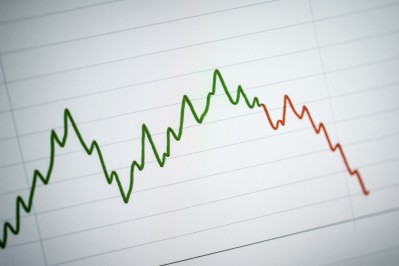
You can thank modern software for the lightning-fast recalculations. The power behind Dynamic Odds Adjustment Systems lies in machine learning, live data feeds and powerful servers crunching numbers with unrelenting enthusiasm. This creates a landscape where odds change at breakneck speeds, but also where transparency and fairness are paramount.
In the whirlwind of shifting numbers, it’s easy to get swept away. Regulators encourage clear communication about odds and potential outcomes to help punters make informed decisions. A responsible approach means keeping both feet on the ground-no matter how enticing those rising probabilities look.
Sometimes, Dynamic Odds Adjustment Systems get their own taste of unpredictability. Imagine a last-minute comeback or weather so wild the stadium ducks for cover. These moments put algorithms to the test and remind everyone that the unexpected is just part of the game.
Occasionally, even the best adjustment systems struggle to keep up, creating windows where the odds briefly misalign. While some chase these anomalies, most know better than to treat them as golden tickets. Caution and a dash of humility go a long way in these instances.
Let the systems crunch the numbers, but don’t forget: even the sharpest tech can’t predict every plot twist.