

Lets face it, dice are tiny cubes of chaos masquerading as childrens toys, yet behind their innocent appearance lurks a realm of combinatorial wizardry. For those who appreciate both math and the thri ....
If the phrase “combinatorics” conjures up flashbacks to school math with more numbers than sense, fear not. This journey through permutations and combinations aims to charm rather than alarm. As we’ll see, even the most ordinary choices-be it picking a sandwich or weighing risk in games of chance-can become unexpectedly interesting (and occasionally hilarious) when viewed through the kaleidoscope of combinatorics. Buckle up-math is about to get practical, with a hint of drama!
From deciding the order of toppings on your pizza to organizing your weekend plans, permutations are quietly orchestrating the background chaos of daily life. While we rarely pause mid-morning to count the possible orderings of coffee, croissant and juice, combinatorics ensures that the choices remain plentiful-and the risk of accidentally drinking orange juice before brushing teeth stays tantalizingly high.

The classic birthday paradox reveals just how easily our brains underestimate combinations. Imagine a room of 23 people; intuition scoffs at the idea two might share a birthday. Yet, math is the ultimate party pooper (or life of the party, depending on how you feel about probability): there’s a whopping 50% chance of a match. It’s not magic-it’s combinatorics with a penchant for surprises.
So next time you’re in a crowd, impress your friends (or at least confuse them) by dropping this tidbit. No actual birthdays required-just a touch of mathematical charm.
Whether you’re calculating the chances of finding a matching sock in the laundry vortex or guessing which card your uncle is hiding, combinatorics makes sense of chaos. The ability to count possible outcomes helps frame everything from insurance to classic card games-without any wild guesses (or at least, with fewer of them).
If you’ve ever been picked last for dodgeball, combinatorics is partly to blame (well, that and your questionable aim). Selecting teams, arranging committees and forming alliances all rely on combinations-no favoritism, just math at work. As a bonus, you can calculate exactly how unlucky you were to end up with the least athletic bunch.
Lost socks aren’t a myth; they’re a combinatorial inevitability. Suppose you grab two socks from a drawer stuffed with all sorts of colors. What are the chances they match? The answer involves combinations-and perhaps an argument for buying only one color ever again.
Combinatorics might not reunite long-lost pairs, but it can offer comforting calculations about why it happens. Cold comfort, maybe, but it beats blaming the washing machine every time.
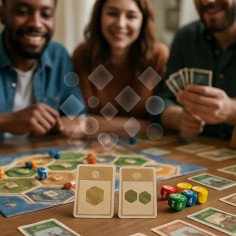
Game night isn’t just about luck; it’s a showcase of hidden math. Whether shuffling cards or rolling dice, combinatorics calculates how likely your next move leads to glory or heartbreak (or, more often, family arguments). Strategies change dramatically when you know just how many outcomes are stacked against you.
Rolling two dice? The total possible outcomes: 36. But getting two sixes? That’s only one outcome in 36. Knowing this doesn’t make the dice roll any better, but it does provide excellent small talk material at the table.
Next time someone claims the game is “all luck,” gently remind them that combinatorics has their number-literally.
Seating arrangements aren’t just for banquets-they affect everything from secret alliances in party games to who sits near the snack table. Combinatorics is the unsung hero (or villain) when you realize your “random” seat just happens to be next to the guy who insists on singing every answer.
Let’s face it: most people dream of windfalls, but few consider how combinatorics quietly influences every win and near-miss. Crunching the numbers reveals the staggering number of possible outcomes and how often Lady Luck just gives you a polite nod instead of a full handshake.
Every now and then, fate comes down to a single, shining outcome amid thousands of possibilities. Whether it’s selecting the winning ticket or predicting the result of a coin toss streak, combinatorics and probability waltz together in the background, calculating your chances while you anxiously wait for the result.
In these cases, understanding the numbers doesn’t guarantee glory, but it does ensure you know exactly how improbable your luck-or lack thereof-really is. Not that anyone wants to be reminded of the odds right after a near-miss!
Outside the game room and party table, combinatorics shapes the way we plan, predict and sometimes panic. From insurance policies to strategic risk-taking, real-life decisions benefit from a touch of probability wizardry (with just enough common sense to keep things grounded).
Whether forecasting rain, preparing for travel mishaps or budgeting for household repairs, combinatorics teams up with intuition to make plans less disastrous. It’s all about weighing possible outcomes and choosing the least likely to end in chaos.
So, if your friend brings an umbrella and sunglasses everywhere, congratulate them on their impressive mastery of probability (and fashion flexibility).
Should you leave home five minutes early “just in case,” or trust your luck with traffic lights? Tiny decisions like these are influenced by the mental math of possible combinations and expected outcomes-even if you don’t consciously run the calculations every time. Deep down, we’re all part-time combinatorialists (and occasional risk-takers).