

Let’s face it: most folks don’t spend their Friday nights crunching odds, but maybe they should. Implied probability odds are the unsung heroes of the betting world-helping bettors gauge whether a wager is offering genuine value or just a wild goose chase. Stick around for a journey through numbers, caution and (mercifully) not a single pie chart.
Odds aren’t just a way to confuse newcomers-they actually tell a story. By converting different types of odds into implied probability, you’re basically asking, “How likely is this outcome, really?” Whether you prefer decimal, fractional or American odds, the process is the same: a little math magic to illuminate your choices. Don’t worry, no abacus required.
Each odds format gives information in its own quirky way. Decimal odds may feel like a friendly spreadsheet, fractional odds conjure up memories of grade-school fractions and American odds… well, they like to do things a bit differently. Converting them all to implied probability is like translating three languages into plain English.
Let’s be honest, no one likes betting blindfolded. Implied probability gives you a peek behind the curtain, showing you what the market thinks about a possible result. If the numbers seem off, maybe that “sure thing” isn’t so sure after all. Sometimes the house doesn’t know best and that’s when math lovers (and cautious skeptics) have the advantage.
No matter how good your number crunching is, the house margin is always lurking-like the world’s least entertaining magician, it ensures the odds aren’t entirely in your favor. By comparing implied probabilities across all outcomes, you’ll spot the hidden commission built into every market. It’s like peeling an onion, but the tears are purely financial.
Add up the implied probabilities for all possible outcomes in a market. If the total is over 100%, that’s the house edge. Knowing this helps you make informed decisions-think of it as spotting the extra fries at the bottom of the bag, only less delicious and more mathematical.
A little realism goes a long way. Knowing about the margin reminds you not to expect miracles. While a clever calculation can help spot value, it can’t guarantee results. Responsible betting means balancing excitement with a healthy dose of caution-your wallet will thank you.
Numbers can tell tall tales if you don’t check the details. Implied probability odds aren’t just a math exercise; they help you judge whether a risk is reasonable or off-the-charts unlikely. Looking at these numbers alongside other factors can help guide your strategy, no fortune teller required.
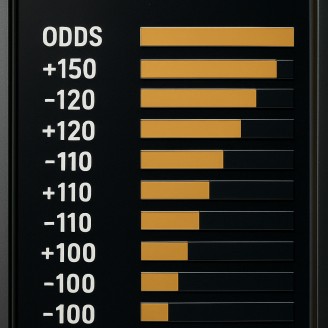
Betting markets are as varied as hot dog stands in Manhattan. Comparing the implied probabilities across different bookmakers helps you sniff out which market offers better value-think of it as shopping around, only instead of groceries, you’re choosing numbers.
It’s easy to get carried away when a long shot seems tempting, but it pays to keep one foot on the ground. Probability and potential payout are forever linked. Just because the possible return looks mouthwatering doesn’t mean the outcome is likely. Implied probability odds keep your feet (and your bets) on solid ground.
To find your potential payout, multiply your stake by the decimal odds. Sounds simple? That’s because it is-but the implied probability tells you how often you might expect this outcome, if the odds are fair. Think of it as checking the weather before you pack sunscreen.
Here’s where the rubber meets the road-winnings aren’t just about big numbers on a screen. When paired with implied probability odds, the numbers can show whether a wager has fair value or if it’s just a mirage shimmering on the horizon. Remember, a sensible approach always beats chasing fantasy jackpots.
One word: context. Looking at the implied probability odds puts any potential winnings into perspective. Is that impressive figure likely or just an illusion created by unfriendly odds? Responsible bettors treat the math as a compass, not a treasure map with guaranteed X-marks-the-spot.
Suppose you’re eyeing a wager at +200 American odds. The implied probability here is about 33.3%. Translation? You’d expect to “win” roughly one out of every three times, if the odds were perfectly fair and there were no margin. This reality check helps steer your decisions in the right direction.
Every outcome is a balancing act-potential returns on one side, the actual probability of success on the other. Staying informed and skeptical can keep things fun, without any unwelcome surprises.
Ultimately, betting should add a bit of excitement, not become an exercise in magical thinking. The real joy is in the puzzle-the numbers, the odds and the challenge of making sense of it all. Implied probability odds are your toolkit for keeping things sensible, safe, and-dare we say-enjoyable.
Even the best calculations can’t predict the unpredictable. Set clear boundaries for yourself and remember: the numbers are your friends, but they won’t bail you out if you wander too far into risky territory.
Lets face it: most folks dont spend their Friday nights crunching odds, but maybe they should. Implied probability odds are the unsung heroes of the betting world-helping bettors gauge whether a wager ....