

Anyone who’s ever stared at a bet slip and wondered if it secretly requires a math degree knows the joy of fractional odds. Whether you’re new to betting or have been circling numbers for years, getting a grip on fractional odds is as essential as remembering where you put your lucky socks. Let’s unravel this time-honored system so your next bet slip won’t look like ancient hieroglyphics.
Fractional odds are the time-tested format for presenting betting prices, especially in places where cups of tea outnumber footballs. You’ll see numbers like 7/2 or 9/4 and no, those aren’t references to your shoe size or the time the local café closes. Instead, they show you how much you could win relative to your stake. The first number shows potential profit; the second is what you need to wager. Simple? Almost as simple as microwaving popcorn.
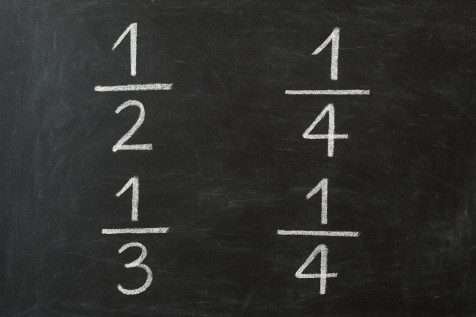
If you bet $2 at 7/2 odds and win, you’ll get $7 profit for every $2 staked-plus your original stake back, because the universe is occasionally fair. This straightforward method allows you to calculate possible returns without carrying an abacus to the sportsbook.
On your average bet slip, you might spot odds such as 1/1, 5/1 or even 10/3. The closer the first number is to the second, the tighter the contest is deemed by bookmakers. Higher first numbers mean longer shots-think underdogs with nothing to lose except your hard-earned cash. When odds flip to fractions less than 1, you’re dealing with favorites, but beware: the returns shrink like a wool jumper in a hot wash.
The bet slip is the stage and fractional odds are the headline act. Placing a bet is as easy as picking your selection, checking the odds and jotting down your stake. However, don’t rush faster than your favorite sprinter-take a second to double-check your calculations, so you’re not left wishing for a time machine.
Remember: even though fractional odds are a classic, you should only stake what you can afford to lose. Responsible play keeps betting fun and your wallet intact. If you need a system to help you manage, try jotting down your bets in a notebook-just don’t let your dog eat it.
Some bettors prefer decimals and others are all about the moneyline. But fractional odds have an enduring charm: they’re concise, widely understood, and-let’s face it-sound fancier when discussing picks over a coffee. If you’re placing multiple bets or dabbling in accumulators, this format keeps things neat, like tucking your shirt in before the big game.
Let’s talk about ‘Return’, that magic word that can turn a bet slip from a paperweight into a celebration. Calculating returns with fractional odds is simple enough to scribble on a napkin. Multiply your stake by the fraction (first number divided by the second) and voilà-your potential profit is revealed. Add your stake and there’s your total return.
For example, a $10 bet at 5/2: $10 x (5 ÷ 2) = $25 profit. Add back your $10 and you get $35. If only all math in life were this satisfying.
If betting formats were rival sports teams, fractional and decimal odds would have a rivalry as fierce as a backyard barbecue cook-off. While decimals are gaining ground, especially online, fractions remain steadfast in traditional circles. Decimals show total returns, including your stake, whereas fractions highlight the potential profit.
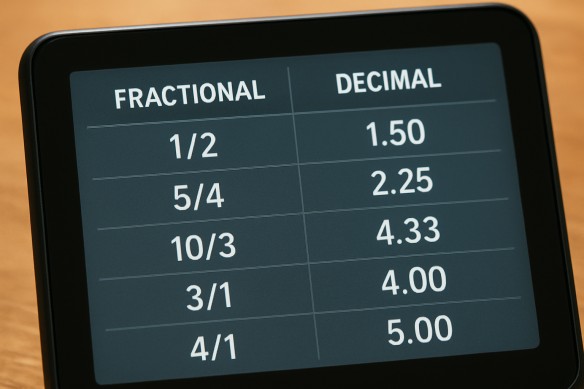
Both formats will lead you to the same destination, but some folks prefer the scenic route of fractions while others want the straight highway of decimals. Neither is inherently better, but it’s worth knowing both if you ever switch up your playbook.
Conversions are as easy as pie-well, as easy as a store-bought pie. To convert fractional odds to decimal, simply divide the first number by the second, then add one. For example, 7/2 becomes 4.5. Multiply by your stake to see the potential payout. The process is quick and knowing it can spare you awkward silences at the betting counter.
Betting is most enjoyable when kept within sensible limits-nobody wants to wager next week’s lunch money on a last-minute hunch. Reading your bet slip carefully and knowing your odds, makes for a much more relaxed experience. That way, if luck’s not on your side, at least you’ll know you gave it your best and your wallet will live to see another day.
Did you know that fractional odds have been used for centuries? In fact, the earliest odds were often scribbled on chalkboards in pubs, with punters gathering to compare numbers and, naturally, swap wild stories. Today’s digital bet slip might lack the dusty charm, but the odds are just as reliable.
Let’s tie things together-no secret formulas, just common sense. Taking time to read and understand your bet slip before confirming a wager is always the smart move. Fractional odds tell you everything you need to know about your risk and potential reward, no magnifying glass required. When in doubt, take a moment to recalculate or consult a betting calculator for peace of mind.
There’s no guaranteed strategy to land you on a tropical beach after your first wager, but a solid approach is to stick to what you know, manage your bankroll and choose odds that align with your appetite for risk. And remember, the only thing that multiplies faster than long odds is your friend’s excitement when they hear about your close call.
Smart bettors celebrate the wins, learn from the losses and always, always check the odds before sealing the deal.
Anyone whos ever stared at a bet slip and wondered if it secretly requires a math degree knows the joy of fractional odds. Whether youre new to betting ....