

Whether you are a seasoned oddsmaker or someone who still thinks a “spread” is something you put on toast, the influence of framing effect heuristics is hard to ignore. How information is presented to you, especially around potential Betting Winnings, can sneakily steer your thinking. Get ready for a tour through the funhouse mirrors of the mind-where numbers, narratives and context all try to coax your decisions one way or another.
Here’s a strange truth: Identical odds can feel wildly different, depending on how they’re packaged. Say a friend tells you there’s a 70% chance of rain. Now, imagine instead they say there’s a 30% chance of sunshine. Same stats-different gut reactions. That, in a nutshell, is the magic of the framing effect at work.
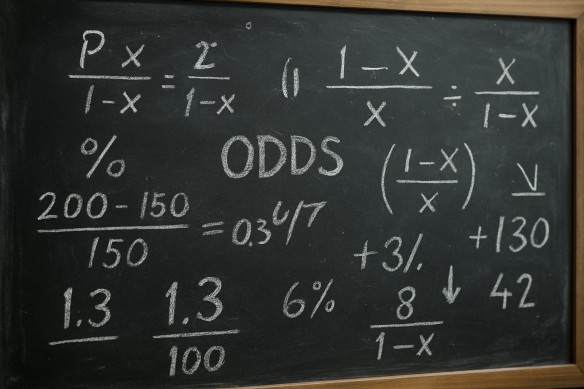
Ask someone if they want a “70% chance to win” or “a 30% chance to lose.” Most lean toward the win-even though the odds are identical. The positive frame gets a little confetti cannon in the brain, while the negative frame trips a silent alarm.
Framing effect heuristics don’t just nudge us-they give us a gentle shove, especially when stakes or ego are on the line.
If the human brain was a computer, it would have the laziest processor in the business. We rely on mental shortcuts-heuristics-to spare ourselves from constantly crunching the numbers. This “good enough” thinking helps when you’re picking a sandwich, but it’s a little more dramatic when you’re deciding on game outcomes.
Ever noticed how a recent lucky streak feels like a sign of skill, not just fortune? That’s the recency heuristic dancing through your choices, convincing you lightning will strike twice (or even thrice) in the same spot. Spoiler: Lightning has no schedule.
The first odds or suggestion you see often become an anchor-everything else feels like a variation on that starting point, whether or not it’s logical.
So, you called the underdog and the underdog lost. Do you remember the odds or just how annoying it was to watch the final minutes tick away? Our memories of outcomes aren’t objective-they’re tinted by framing and emotion. That affects every bet after, whether you realize it or not.

Nobody enjoys regret. Framing effect heuristics amplify this, nudging you to avoid choices that led to a sour memory-even if, statistically, that decision was solid at the time.
What happens when you mix the concept of “winnings” with framing effect heuristics? Well, “winnings” framed as “extra cash” sounds thrilling, while the same amount described as “not losing” your initial stake feels… safer but dull. This contrast changes how you interpret risk, value and satisfaction. You might even start seeing your wallet as a scoreboard.
You’ve seen it-adverts that spotlight potential “big wins” and downplay the losses. That’s not just optimism, it’s psychological framing in high gear. These subtle cues are why the word “jackpot” sounds like a party, while “minimize your losses” feels like homework.
Stay alert: just because something is framed as an “opportunity” doesn’t mean it changes the math behind the outcome.
No one’s immune to mental shortcuts-heck, even referees sometimes seem to use them (don’t get us started). The good news? You can train yourself to spot when your brain is slipping on the cognitive banana peel.
Try writing out the actual odds and your reasons for picking them. If they sound less exciting on paper, that’s a sign the frame did most of the heavy lifting. Remember, it’s better to be slightly bored and sensible than swept away by a catchy phrase.
Consulting multiple sources, focusing on stats rather than stories and recognizing when your gut is full of more butterflies than logic can help keep your decisions balanced.
Whether you are a seasoned oddsmaker or someone who still thinks a spread is something you put on toast, the influence of framing effect heuristics is hard to ....
Heuristics Heuristics In Sports Forecasting: Making Smarter Picks With ....Picture the moment: youre sizing up the weekends matchups, your coffee is hot and your spreadsheet is just intimidating enough to make you feel like a Wall Street analyst. Yet, lurking beneath the ....