

If you’ve ever wondered whether luck is just random chaos or an art form with hidden patterns, then you, my friend, are about to step into the sample space of probability. This isn’t just math class-this is the fun side of numbers, where possibilities gather and dance around and the laws of chance try to keep them in line. Prepare for a journey filled with calculated risks, strategic thinking and the occasional nod to fate.
Picture the sample space as a giant menu in a diner of randomness, with each dish representing a possible outcome. Some outcomes are sizzling hot, while others are bland and rarely ordered, but they all exist within the same probability kitchen. Grasping this menu means knowing what’s possible before you even roll the dice-literally and figuratively.

A probability distribution sample space provides a framework for listing every potential outcome, whether you’re flipping coins, spinning wheels or calculating odds for game night. The more you map out, the more prepared you’ll be to manage risk-or at least look impressive during trivia.
Not all probability distributions wear the same uniform. Some dress for simplicity, like the humble uniform distribution, where every outcome is equally stylish. Others, such as the normal distribution, show up ready to dominate the scene, clustering outcomes toward a central peak and tapering off into the wings.
From binomial to Poisson, each type has a role to play in forecasting and managing unpredictability. These models give structure to uncertainty, much like referees bring order to a chaotic match.
Assessing risk isn’t about staring at a crystal ball-it’s about examining all the possibilities and recognizing the ones that matter. The sample space lays everything bare, so you can weigh odds instead of simply crossing your fingers and hoping for the best.
If you think keeping your car keys out of the laundry is tough, try keeping sample space blunders at bay. Confusing mutually exclusive outcomes, omitting possibilities or assuming the improbable is impossible can all lead to headaches worthy of a statistics support group.
Being aware of these traps helps build robust assessments and reduces those palm-to-forehead moments. Remember, sometimes the unlikely happens-especially when it’s least convenient.
Here’s where the thrill meets the math. Using the concept of “Winning” (see what we did there?) in conjunction with probability distribution sample space creates a blend of excitement and logic that is hard to beat. Instead of leaning on pure luck, thoughtful choices emerge from understanding how outcomes line up and what their probabilities look like.
Of course, no mathematical insight can alter randomness, but it certainly can keep you grounded, especially when you feel like chasing a streak. Responsible decision-making, fueled by sample space clarity, brings a level of satisfaction all its own.
Let’s not kid ourselves-sometimes, the line between expertise and luck is finer than a hair on a billiard ball. But knowing your sample space means you can lean a bit further into strategy without falling into wishful thinking. When uncertainty is mapped out, skill has a fighting chance to take the reins, even if luck still enjoys the ride.
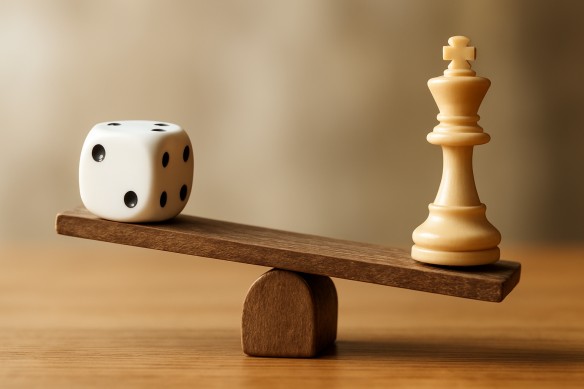
Whether you’re assessing one-time events or ongoing patterns, balance is key. And remember: even with the sharpest probability models, the element of surprise is never far behind.
Probability isn’t just for theorists in tweed jackets. In real life, the concept of sample space shapes decisions in gaming, risk management and countless daily situations-yes, even choosing which queue will move faster at the grocery store.
While probability distribution sample space analysis provides great insight, it’s no substitute for sound judgment and responsible habits. Models depend on assumptions and reality has a knack for being messier than any equation on a chalkboard.
Keep expectations realistic and remember that probabilities only describe likelihoods, not guarantees. Responsible choices matter and statistical wisdom can add to your toolkit-just don’t expect it to iron your shirts or wash the dishes.
Q: Can probability distribution sample space predict specific results? A: Not exactly-it estimates chances, which means it guides but never dictates the outcome.
Q: Is it always possible to list every outcome? A: For simple games, yes. For more complex events, it can be challenging and modeling may involve simplification.
Embracing the possibilities within sample spaces creates opportunities for strategic improvement. While chance can’t be tamed, probability tools help carve out patterns amid chaos, offering insight that’s both practical and thought-provoking.
In the end, whether you win, lose or draw, appreciating the hidden structure behind outcomes can make every experience a little more interesting-and, dare we say, a lot more satisfying.
If youve ever wondered whether luck is just random chaos or an art form with hidden patterns, then you, my friend, are about to step into the sample space of probability. This isnt ....