

Ever looked at “5/1” and wondered if you needed a calculator, a stiff drink or both? Fractional odds in sports are everywhere, yet understanding them (without losing your shirt) is the difference between savvy betting and creative excuses to your partner. Let’s clarify what these fractions really mean, sprinkle in a dose of caution and share the sort of common-sense tips you’ll wish you’d heard sooner.
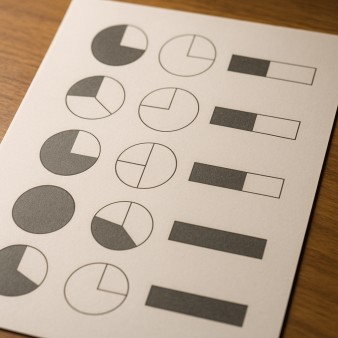
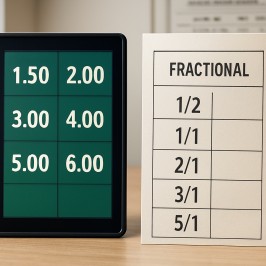
Fractional odds, like 7/2 or 11/4, aren’t cryptic codes-though sometimes they feel that way. They show how much you could win relative to your stake, if the stars align. For example, “7/2” means you win seven for every two you wager, plus your original stake back. Easy as pie-assuming pie is a math equation.
Before you take on the world (or just your local bookie), knowing how to quickly interpret these numbers helps you stay realistic about what’s possible. Nobody wants to become the punchline at the next BBQ after misreading “100/30.”
So you’ve brushed up on fractions-congratulations! Now, let’s keep your bankroll where it belongs: out of the red and far away from rash decisions. Avoiding betting pitfalls fractional odds in sports boils down to avoiding emotional wagers and wild hunches.
Thinking you’ll strike gold because a friend of a friend heard a rumor? That’s the stuff of sitcoms, not sustainable betting. Use realistic expectations when evaluating your odds and always be wary of “can’t-miss” tips from strangers.
You might think that a bet with 100/1 odds is practically a lottery ticket. And you wouldn’t be entirely wrong. Long shots can be tempting, but don’t fall into the “it only takes one win!” trap-unless you’re looking to contribute to someone else’s holiday fund.
Make sure you understand both sides of the fraction. Many punters confuse which number represents the payout and which represents the stake-especially after a celebratory pint or two.
While fractional odds reign supreme in many corners of the sports world, decimal odds are creeping in like the new kid in class. Both formats get you to the same answer; it’s just a question of which math homework you prefer.
In decimal odds, everything’s neat and tidy-you see your total return per unit staked. With fractional odds, you’re working with ratios, but the payouts are identical. Pick your poison-or, more accurately, pick your spreadsheet.
Everyone dreams of that legendary upset-but a better approach is focusing on value bets, steady returns, and, above all, not chasing losses like a caffeine-fueled squirrel. A little restraint now pays off in future laughs (instead of future apologies).
Even the pros have off days. Setting clear limits is your armor against streaks-good and bad. Never wager more than you can afford to lose and if you ever start justifying bigger bets “to make it back,” it’s probably time for a cup of tea and a breather.
The internet is full of advice-some of it great, some of it written by your cousin’s dog. It pays to be skeptical. Focus on information sources that present both the upside and the risks and avoid anyone promising certain profits. No one has a crystal ball-at least, not one that works outside a magic show.
Promises of guaranteed wins are as reliable as weather forecasts from a goldfish. Always scrutinize claims and be cautious of any “system” that sounds too good to be true-it probably is.
The best punters aren’t born-they’re made. Start with small stakes, keep learning and resist the urge to follow the crowd without doing your homework. Every loss is a lesson and every win is a reason to stay humble (and maybe treat yourself to something nice).
With practice and a level head, interpreting fractional odds will become second nature and you’ll soon recognize the value of steady, smart betting over headline-grabbing wagers.
At the end of the day, sports betting should add a bit of fun to your experience, not turn your living room into a tense casino floor. Approach each wager with knowledge, skepticism and a touch of humor. The best bet is always the one you can afford-and the one that leaves you smiling, win or lose.
Ever looked at 51 and wondered if you needed a calculator, a stiff drink or both Fractional odds in sports are everywhere, yet understanding them without losing your shirt is the difference ....